If you have tried to slim your waistline, you know the frustration. The scale barely moves, the midsection feels stubborn, and fad diets leave you depleted. The good news is that waist reduction is achievable when you apply science, structure, and self-compassion.
At MediFit Weight Loss, we help clients reduce waist size in twelve weeks through metabolic recalibration. Progress is safe and steady, built on real physiology rather than shortcuts or cleanses.
This twelve-week guide explains what happens to your metabolism, nutrition, and body composition week by week. It also shows how natural compounds such as EGCG from green tea can support the process when used thoughtfully.
Why Waist Fat Is Different and Why It Matters
Waist fat does not behave like the softer layer under the skin. The deep abdominal layer, called visceral fat, sits around the liver, pancreas, and intestines. It is metabolically active tissue that releases signaling proteins, interferes with insulin action, and pushes cortisol higher. Over time, it strains blood vessels and raises the risk for heart disease and type 2 diabetes. Because it drains through the portal circulation, the liver receives a steady stream of free fatty acids and inflammatory messages that worsen glucose control.
Even a small reduction in waist size shifts these signals in a healthier direction. Blood pressure improves, insulin sensitivity rises, and daily energy feels steadier. You cannot choose where fat leaves first, so the aim is to build conditions that favor fat use while protecting lean muscle. The twelve-week plan below shows how to balance meals, move with purpose, and use simple supports so the midsection trims for durable reasons.
Phase 1, Weeks 1 to 4: Reset Your Metabolism
Goal: Reignite fat use and quiet inflammation.
The first four weeks lay the groundwork without strict restriction. We prime enzymes, adjust meal timing, and set habits that restore insulin sensitivity and make stored fat available for fuel.
1) Balance Blood Sugar
Large glucose swings drive insulin surges that favor storage and hunger. Steady glucose reduces storage signals and supports even energy for training and recovery.
Daily strategies
- Eat a protein-forward meal within one hour of waking, such as eggs, Greek yogurt, or a protein smoothie.
- Add fiber-rich plants at each meal, including berries, lentils, and leafy greens.
- Skip sugary drinks and mid-afternoon sweets that trigger spikes and crashes.
- If you use clinician-guided weekly injections that suppress appetite, plan protein first so intake remains sufficient.
2) Hydrate for Fat Metabolism
Hydration supports lipolysis and the transport of free fatty acids. Consistent fluids also aid liver processing and keep energy steady during active fat loss. Our clinicians set personal fluid targets and align electrolytes with training load, climate, and medication-related appetite changes.
Tip: Aim for 2 to 3 liters of water daily, or about half your body weight in ounces. Add electrolytes on heavy sweat days, in heat, or when using a sauna.
3) Begin Core-Centered Movement
In the first month, steady consistency matters more than intensity. Build circulation and alignment, since improved blood flow supports delivery, and a neutral posture reduces abdominal projection.
Try this
- Walk briskly for twenty to thirty minutes each day.
- Complete two full-body strength sessions each week using bodyweight or light dumbbells.
- Spend ten minutes on core activation on alternate days, including planks, bird dogs, and pelvic tilts.
- Improved alignment refines your silhouette and trains the deep core to support a smaller, stronger waist.
4) Optimize Sleep and Cortisol
Short and fragmented sleep elevates evening cortisol and shifts storage toward the waist. Aim for seven to nine hours on a consistent schedule, dim lights, and put screens away at least thirty minutes before bed, and keep the room cool and dark. Stop caffeine after midday and finish your last meal two to three hours before sleep to support deeper stages. MediFit Weight Loss clinicians build a short evening routine for you, align training and meal timing to your sleep rhythm, and set gentle reminders so the practice becomes automatic.
Phase 2, Weeks 5 to 8: Activate Fat Loss
Goal: Move from metabolic reset to active fat burning.
1) Boost Thermogenesis Naturally
Beyond the calories you burn during workouts, your body also expends energy through non-exercise thermogenesis from posture, subtle muscle activity, and digestion. Strategic habits and specific nutrients can raise this quiet burn without stimulants. EGCG from green tea often serves this purpose in a measured, evidence-guided way.
Spotlight: EGCG, a Supportive Metabolic Ally
EGCG, short for epigallocatechin gallate, is a principal green tea polyphenol supported by extensive human research in metabolic regulation.
How EGCG Can Help
- Increases fat oxidation by helping the body use stored fat as fuel, especially during exercise.
- Activates thermogenesis by modestly raising resting energy use through brown fat activity.
- Improves insulin sensitivity, so there are fewer signals to store fat.
- Acts as an antioxidant that reduces inflammation and protects cells during weight loss.
What Research Suggests
A well-controlled, 12-week, double blind, randomized, multicenter trial was conducted in Japan by Nagao, Hase, and Tokimitsu. Investigators enrolled 240 adults with visceral fat type obesity and assigned a catechin-rich green tea beverage that delivered 583 mg catechins per day or a control beverage that delivered 96 mg, while participants kept their usual diet and activity. The catechin group produced larger drops in waist circumference and total abdominal fat on computed tomography, affecting both visceral and subcutaneous compartments, and showed favorable changes in LDL cholesterol and systolic blood pressure (Nagao et al., 2007).
How to Use It Safely
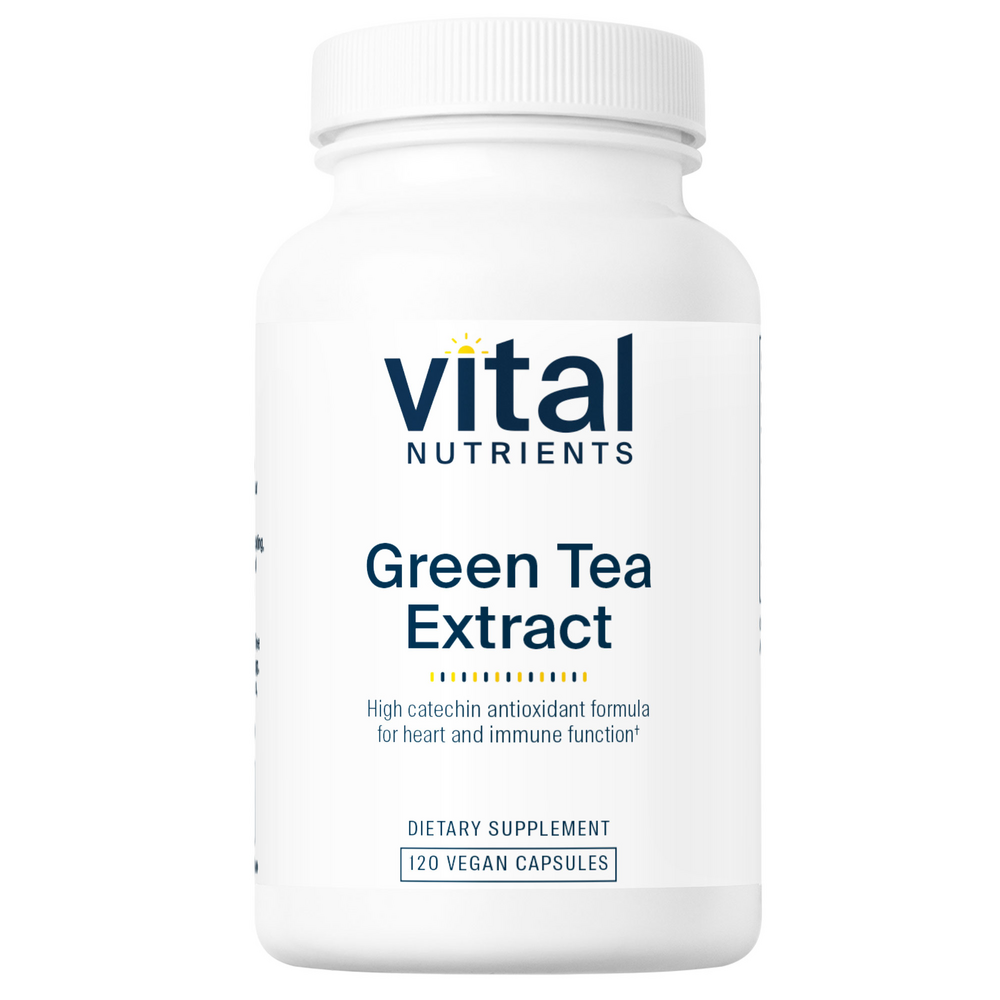
- Select a standardized green tea extract that provides 300 to 500 milligrams of EGCG each day and clearly lists total catechins on the Supplement Facts panel.
- Use third-party verified products, such as USP, NSF, or Informed Choice, so purity and dose accuracy are confirmed.
- Take each dose with a meal to aid absorption and improve tolerance.
- Skip high caffeine pairings; EGCG supports fat use without stimulants.
- If you are pregnant, have liver disease, or use medications, review use with your clinician and start at the lower end for two weeks to check tolerance.
EGCG is a supportive tool. It works best as a modest aid layered onto consistent nutrition, training, sleep, and recovery.
2) Strengthen the Core with Functional Training
Train the abdominal and stabilizing muscles to protect the spine, transfer force efficiently, and refine waist shape. Functional patterns teach deep stabilizers to work with breath, hips, and rib position, which is safer and more effective than piling on crunches.
Core Focus Three Times per Week
- Plank progressions, such as front, side, and reverse, build endurance in the deep abdominal wall. Keep breathing steady and ribs neutral.
- Compound lifts, including squats, hip hinges, and overhead presses, to integrate bracing with the hips and shoulders. Choose loads you can control and progress gradually.
- Rotation and anti-rotation with wood chops, slow Russian twists, or Pallof presses to strengthen the obliques and resist unwanted movement.
Combined with full-body strength work, these drills add lean muscle, raise resting energy use, and improve waist definition. MediFit Weight Loss coaches assess posture and breathing, set week-by-week progressions, and track time under tension so gains are steady and safe.
3) Nutrition Upgrades for Weeks Five to Eight
Refine macronutrients with a clear purpose: preserve lean tissue, steady appetite, and lower central inflammation. In this stage, MediFit Weight Loss dietitians set practical ranges, translate them into weekly menus, and adjust portions based on your logs and training schedule.
- Raise protein toward 30 percent of total intake, or roughly 1.0 to 1.2 grams per kilogram of body weight. Split it across three to four meals to support satiety and protect muscle.
- Increase omega-3-rich foods such as salmon, sardines, and chia seeds. If intake is low, consider 1,000 to 2,000 milligrams of combined EPA and DHA per day to calm visceral inflammation.
- Include cruciferous vegetables daily, such as broccoli, cabbage, kale, or Brussels sprouts. Their glucosinolate compounds support estrogen metabolism, which can influence fat distribution in women.
- Limit alcohol. Keep to three or fewer servings per week and avoid it on training nights, as alcohol suppresses fat oxidation for several hours and favors central storage.
Our team reviews food logs and biometrics weekly, then makes small, targeted tweaks so fat loss continues while energy and recovery stay strong.
4) Practice Active Recovery
As training load increases, recovery becomes the lever that protects lean tissue, keeps cortisol in range, and lets the nervous system settle. On rest days, schedule gentle work such as yoga, stretching, and easy walks to raise blood flow and reduce soreness. A ten-minute walk after dinner can improve insulin sensitivity and support digestion. MediFit Weight Loss coaches plan recovery blocks into your week, set simple targets for duration and effort, and adjust mobility, breathwork, and walking volume so adaptation continues without fatigue.
Phase 3, Weeks 9 to 12: Sculpt, Sustain, and Strengthen
Goal: Cement habits, refine body composition, and build metabolic flexibility.
By now, your waist is smaller, your energy is higher, and your routines feel natural. The next four weeks, convert those gains into a stable way of living.
1) Master Metabolic Flexibility
Metabolic flexibility is your capacity to shift between carbohydrate and fat as fuel according to demand. Strong flexibility steadies hunger, supports training quality, and helps prevent fat loss stalls.
- Match higher carbohydrate days to hard training and keep lower carbohydrate days for lighter activity or rest.
- Maintain a modest calorie deficit and keep protein consistent to protect lean mass while fat loss continues.
- Use EGCG or brewed green tea with breakfast or before training to support fat oxidation without stimulants.
MediFit Weight Loss clinicians set carbohydrate ranges from your training calendar, align fiber and hydration with output, and review weekly logs, sleep, and recovery. This guided approach limits plateaus and helps you hold your new waistline.
2) Focus on Posture and Muscle Balance
A strong, well-aligned core shapes the waist by stacking ribs over the pelvis and teaching deep stabilizers to share the load. MediFit Weight Loss coaches assess posture and breathing, teach neutral alignment, and set simple progressions that carry into daily movement.
- Add Pilates or yoga twice weekly to improve posture, flexibility, and breath control.
- Strengthen the posterior chain, including glutes, back, and hamstrings, to support spinal alignment and gently draw in the waist.
- Use standing abdominal work alongside floor drills to engage the full core and improve stability.
3) Fine-Tune Nutrition for Maintenance
Shift the focus from inch loss to long-term metabolic health. This protects hormones, preserves lean tissue, and steadies appetite so results last.
- If energy or training quality dips, raise intake by 100 to 200 calories per week and reassess after seven days.
- Eat four to five protein-rich meals spaced three to four hours apart to steady glucose and support recovery.
- Keep alcohol low and pair any serving with a meal. Continue to prioritize hydration across the day.
- Maintain a twelve-hour overnight fast, such as 7 pm to 7 am, to support digestion, glycemic control, and nightly repair.
MediFit Weight Loss dietitians review your logs and biometrics, set practical ranges for protein, carbohydrates, and fluids, and adjust portions so maintenance begins without rebound.
4) Protect Results with Recovery and Mindfulness
Waist change closely reflects stress load and sleep quality. When evening cortisol stays high, the body favors abdominal storage, and deep sleep shortens. A short, repeatable routine before bed helps shift the nervous system into recovery and supports healthier hormone patterns.
Evening Rituals
- Gratitude journaling for two minutes. Note three specific wins to reduce rumination.
- Slow nasal breathing for five minutes. Inhale for four seconds and exhale for six seconds for ten cycles.
- Gentle stretching for ten minutes before bed. Focus on the neck, hips, and spine to release tension.
MediFit Weight Loss coaches design and personalize this routine, align it with your training days, and set simple reminders. We track heart rate variability, resting pulse, and sleep duration, then adjust the plan as recovery improves.
Beyond the Twelve Weeks: Maintain Without Restriction
The most important phase begins after week twelve. Many people regain belly fat when they return to a diet, thinking.
- Aim to eat nutrient-dense foods most of the time.
- Keep moving every day. Light walks sustain metabolic activity.
- Track waist circumference monthly. Use the data to guide maintenance rather than to fixate.
- Keep EGCG or green tea in your routine for antioxidant support.
A leaner waist is about feeling stronger, sleeping better, and aging well.
Safety Notes on Supplements and EGCG
EGCG can support metabolism for many adults, yet safety and fit matter. Speak with your healthcare provider first, particularly if you take prescription medicines, are pregnant, or have a history of liver concerns. A brief review of your health history, current labs, and goals helps determine whether EGCG belongs in your plan and what dose makes sense. This step limits interactions, prevents unnecessary side effects, and ensures the compound complements your nutrition and training rather than competing with them.
To use EGCG well, select a standardized extract from a third-party verified brand and take it with food to improve comfort. Clinicians typically start at a conservative dose, watch for digestion, sleep, and heart rate changes, and adjust based on response. Avoid products blended with high caffeine. If you notice unusual fatigue, nausea, or dark urine, stop use and follow up promptly. When chosen carefully and monitored, EGCG functions as a supportive layer within a broader, medically guided program.
Your Twelve-Week Waistline Roadmap, Summary
|
The MediFit Weight Loss Philosophy: Safe, Smart, Sustainable
At MediFit Weight Loss, waist reduction never comes at the expense of health or balance. Clients succeed by combining medical guidance, metabolic support, and mindful living.
Your waistline is more than a number. It reflects metabolic health, hormone harmony, and consistent self-care.
Over twelve weeks, you can expect
- One to two inches off the waistline with a safety-first approach.
- Better digestion and steadier energy.
- Less bloating and inflammation.
- Greater confidence and strength.
Most importantly, you will know how to maintain it.
Sustain Results with a Smarter Metabolism with MediFit Weight Loss
Durable waist change comes from a metabolism trained to use fuel well, sleep that restores hormones, and a routine that respects recovery. When blood sugar stays steady, protein is consistent, and movement is structured, the midsection responds. Add measured support like EGCG within a clinician-guided plan, and you can amplify fat use without relying on stimulants. The aim is a system that keeps progress moving while health markers improve.
At MediFit Weight Loss, clinicians align nutrition, training, sleep, and supplementation into one plan. We set protein and fiber targets, program resistance and core work, and pair EGCG with meals when appropriate. We track waist, resting pulse, and sleep, review logs weekly, and make small adjustments so results hold. The process stays safe, personal, and grounded in data, which is why changes last.

