After weight comes off, skin needs time and the right signals to rebuild its collagen and elastin scaffold. How firm it looks depends on the pace of loss, age, sun history, hormones, and how much lean muscle you kept. Knowing which levers you can influence lets us set clear expectations for the next several months and choose steps that create steady, visible change.
At MediFit Weight Loss, we build a collagen-forward plan that fits real life. We review body composition and skin history, set a sustainable loss pace, and introduce daily hydrolyzed collagen peptides with vitamin C pairing and simple strength work to cue remodeling. Checkpoints with photos and measurements keep the plan honest and let us adjust so skin quality improves alongside your results.
Understanding the Role of Collagen for Skin
The most common protein in your body is collagen. You get around 30% of your protein from it. Skin, muscles, bones, tendons, ligaments, and other connective tissues are all mostly composed of collagen. Organs, blood arteries, and the lining of your intestines also contain it. Amino acids are the building blocks for proteins.
Proline, glycine, and hydroxyproline are the primary amino acids that are used to produce collagen. Fibrils of protein with a triple helix structure are formed when these amino acids bind together. To complete the synthesis of the triple helix, your body must have sufficient quantities of vitamin C, zinc, copper, and manganese.
How Collagen Helps Your Skin
The main function of collagen is to give your body structure, strength, and support. Here are some of collagen’s specialized functions:
- Assisting in the formation of fibroblasts in the dermis, the middle layer of skin, which supports the growth of new cells.
- It helps to replace dead skin cells.
- Offering a shield for internal organs.
- Providing your skin with structure, strength, and suppleness.
- Aiding in the clotting of your blood.
Different Types of Collagen
There are around 28 different kinds of collagen. These types vary based on molecular assembly, cell component addition, and endogenous use. A minimum of one triple helix structure is present in every collagen fibril.
Collagen comes in five primary forms. Each has its own unique function:
- Type I. About 90% of the collagen in your body is this specific type. Bones, tendons, ligaments, and skin all rely on type I collagen for structural support.
- Type II. This particular type is present in the elastic cartilage that supports joints.
- Type III. which is found in muscles, arteries, and organs.
- Type IV. This kind is present in the skin’s layers.
- Type V. This kind is present in the placenta, some layers of skin, hair, and the cornea of your eyes.
Will collagen decrease as I age?
With age comes a decrease in collagen production and an acceleration in the breakdown of existing collagen. You also have lower-quality collagen compared to when you were younger. After menopause, a woman’s body produces far less collagen. After the age of 60, collagen production naturally decreases for everyone.
How can I know if my collagen levels are dropping?
Even though collagen cannot be directly measured (e.g., in a blood test), there are indicators that your collagen level is declining. Here are some of the symptoms:
- Discolored, saggy, or wrinkled skin.
- Hallowing in and around your face and eyes.
- Weakened, contracted muscles, and sore muscles.
- Tendons and ligaments are stiffer and less flexible.
- Osteoarthritis is joint pain caused by worn cartilage.
- Limited movement as a result of arthritic or tight joints.
- Gastrointestinal issues caused by weakening of the digestive system lining.
- Problems with blood circulation.
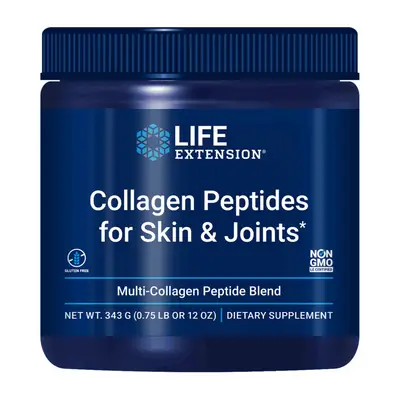
Product Spotlight: Life Extension Collagen Peptides for Skin & Joints
Life Extension Collagen Peptides for Skin & Joints provides hydrolyzed collagen peptides from Types I, II, and III, the same families found in skin, cartilage, and other connective tissues. The hydrolyzed form mixes easily and supplies small peptides your dermis can use as building blocks while you work on protein intake, strength training, and sun care.
Use one serving daily in water, coffee, or a smoothie. Taken consistently, it supports skin elasticity, dermal matrix renewal, and comfortable joints through training. You will get the most from it when you also meet per-meal protein targets and include vitamin C foods, which help your body incorporate those peptides where they are needed.
Why These Peptides Support Elasticity
Hydrolyzed peptides are easy to mix and gentle on the gut. A blend of Types I, II, and III matches the proteins found in skin and connective tissue. Consistency over months matters more than timing to support elasticity while weight comes off.
Easy Ways to Take Collagen Daily
- In your morning coffee or tea
- Add to your post-workout smoothie with protein and berries
- Evening mix in warm water if you prefer to separate from caffeine
- You can put it in your travel‑day shaker bottle for consistency on the go
Choose MediFit Weight Loss for a complete plan that protects muscle, supports skin, and improves your health as you lose. Our clinicians tailor dosing, nutrition, training, and supplement timing so your goals come together safely and last.
FAQs
How long does natural skin tightening take after weight loss?
Most people notice a smoother texture by weeks 6 to 8. With steady protein, strength work, hydration, and daily SPF, firmness and contour often improve over 12 to 24 weeks.
Do collagen peptides help with loose skin?
Hydrolyzed collagen supplies the amino acids your skin uses to rebuild. You’ll get the best results when you also hit protein targets, include vitamin C foods, and lift consistently.
What exercises help skin look tighter?
You can do two to three full-body strength sessions to build muscle under the skin. Also, prioritize squats, hinges, rows, and presses, and keep daily steps for circulation.
Will my loose skin go away on its own?
Some tightening happens over months as collagen remodels, especially with protein and training. Larger or long-standing laxity may remain and may need medical options.
Can I prevent loose skin while losing weight?
Pace weight loss, keep protein high, and lift consistently to preserve muscle. Limit sun, sleep well, and stay hydrated to support the dermis while fat comes down.
Is surgery the only way to fix loose skin?
No. Many people see meaningful improvements with the habits above; surgery is reserved for laxity that doesn’t respond after sustained efforts and is a personal decision.
Are collagen supplements safe for everyone?
Collagens are safe for most people. However, it is best to avoid them if you have source allergies and check with your clinician if pregnant, nursing, or managing medical conditions. At MediFit, Weight Loss, we will do a screening and analyze if they’re best for you.
Start Your Skin Tightening With MediFit Weight Loss
Start with a consult. We will pace your plan, set protein targets, map out training, and decide if collagen peptides fit your week. Your first 12 weeks set the tone for long-term skin quality and confidence.

