Ever wonder why some meals keep you full for hours while others leave you hungry soon after? The quiet reason is often fiber. Soluble fibers form a soft gel that slows stomach emptying and smooths the rise in blood sugar, while insoluble fibers add bulk that keeps digestion moving. Together, they strengthen fullness signals, temper cravings, and support the gut bacteria that produce short-chain fatty acids, which your body uses for energy and appetite control.
At MediFit Weight Loss, we turn fiber into a habit that fits your biology. We set simple per-meal targets, teach you to begin meals with vegetables, pair fiber with protein and water, and increase intake gradually for comfort. Additionally, we incorporate cutting-edge weight loss support with Compounded GLP-1 and Compounded GLP/GIP Dual Receptor treatments to optimize appetite regulation, helping you feel satisfied while losing weight safely.
You’ll learn what to eat, when to add it, and how to measure progress in daily life. Used this way, fiber helps you feel full on fewer calories while supporting safe, sustainable weight loss and improving your overall metabolic health.
This is your Fiber Playbook. You will learn how to feel full on fewer calories, keep blood sugar steady, support a healthy gut, and improve how you relate to food. The goal is safe, sustainable weight loss through clear, actionable steps that fit into your everyday routine.
Why Fiber Is a Secret Weight Loss Powerhouse
Unlike carbohydrates, protein, or fat, fiber is not digested or absorbed. It moves through your digestive system largely intact, and that feature drives its benefits.
What Fiber Does Inside Your Body
- It Slows Digestion and Extends Fullness.Fiber draws water and forms a soft gel that adds comfortable volume in the stomach. Stretch sensors tell the brain that enough food has arrived, stomach emptying eases, and you stay satisfied for longer between meals.
- It Blunts Glucose Spikes and Stabilizes Energy.Soluble fiber mixes with food and forms a soft gel, which slows how quickly carbohydrates are absorbed. Blood glucose rises more gradually, the body needs less insulin, and energy feels steadier. Within MediFit Weight Loss, clinician-guided weekly programs, a higher fiber pattern strengthens appetite control and keeps glucose on a smoother curve.
- It Feeds Your Microbiome and Calms Inflammation.Fermentable fibers feed helpful gut bacteria. They produce short-chain fatty acids such as butyrate and propionate. These compounds strengthen the gut lining, improve appetite signaling, and reduce inflammation. Many people notice less bloating and steadier, more predictable hunger cues.
- It Lowers Calorie Density Without Shrinking Portions.High fiber foods hold water and take longer to chew, so eating naturally slows and fullness signals build. Because these foods provide fewer calories per bite, you can serve generous portions and still stay within your target.
- It Supports Heart and Metabolic Health.Soluble fiber binds bile acids in the digestive tract, which can lower LDL cholesterol as the body pulls cholesterol from circulation to make new bile. Over time, better lipid values and steadier glucose translate into stronger metabolic markers.
Taken together, slower digestion, steadier glucose, and a better nourished microbiome make it easier to choose appropriate portions and maintain a calorie deficit without feeling deprived. That is why fiber is such a dependable tool for safe, sustainable fat loss.
The Two Types of Fiber and Why You Need Both
Understanding the difference between soluble and insoluble fiber helps you build meals that control hunger and keep digestion comfortable.
Soluble Fiber
Soluble fiber dissolves in water and forms a soft gel in the gut. It slows how quickly food leaves the stomach, smooths the rise in blood sugar after meals, and helps you feel satisfied for longer. A simple target is ten to fifteen grams spread across the day, built into breakfast, lunch, and dinner.
Best Sources
- Oats
- Apples
- Berries
- Beans
- Chia seeds
- Flaxseed
- Carrots
- Barley
Easy ways to add more: stir two tablespoons of chia into yogurt, cook a half cup of oats at breakfast, blend one tablespoon ground flax into a smoothie, or add a half cup of beans to bowls and salads.
Insoluble Fiber
Insoluble fiber does not dissolve in water. It adds bulk, supports regular movement through the digestive tract, and helps prevent constipation when paired with enough water. It works best alongside soluble fiber, so meals feel filling and digestion stays comfortable.
Best Sources
- Leafy greens
- Whole grains
- Nuts
- Seeds
- Cauliflower
- Green beans
- Wheat bran
Tolerance tip: increase servings gradually and sip water with higher fiber meals to avoid discomfort. Aim to include both types at most meals, ideally from whole food sources.
How Much Fiber You Need to Feel Fuller
Most adults benefit from 25 to 35 grams of fiber per day, yet many people consume only 10 to 12 grams. If you are on a weight loss journey, especially with GLP-1 support that slows digestion, reaching an optimal fiber range can reduce cravings and curb overeating.
Increase safely
- Raise intake gradually. Adding too much fiber too quickly can cause bloating or discomfort.
- Start by adding five grams per day and increase over one to two weeks.
- Drink plenty of water to help fiber do its job.
The Fiber Playbook: Strategies to Feel Fuller on Fewer Calories
Below is MediFit Weight Loss’s results-focused approach to using fiber as a metabolic and appetite control tool.
1) Fiber First: The Meal Sequencing Technique
Begin meals with fiber to set up steadier glucose and stronger fullness. A simple rule is three to five minutes of vegetables first, then protein, then starch or fruit. This pacing gives fiber time to form a gentle gel and slow the meal’s exit from the stomach.
Try This Sequence
- Start with vegetables, such as salad. Take steamed greens or roasted vegetables. Remember to eat slowly and take a few sips of water.
- Move to lean protein such as chicken, tofu, eggs, or Greek yogurt. Protein reinforces satiety.
- Finish with starches or fruit such as sweet potatoes, rice, or berries. Keep portions mindful if weight loss is your goal.
This order slows digestion, increases fullness, and keeps energy steady. Many people notice fewer cravings after one to two weeks of using this simple sequence.
2) Add One High Fiber Food to Each Meal
Small additions create big outcomes. Pair each meal with a single fiber booster and aim for seven to ten grams of fiber per meal.
Quick Adds With Approximate Fiber
- One tablespoon of chia seeds in yogurt or oatmeal (≈ 5 grams)
- One half cup of black beans on a salad or bowl (≈ 7 to 8 grams)
- One tablespoon of ground flax in a smoothie (≈ 2 to 3 grams)
- One medium apple or pear with skin (≈ 4 to 5 grams)
- One half cup cooked lentils or quinoa at dinner (≈ 4 to 7 grams)
3) Choose Volume Foods
High-volume, low-calorie foods fill the stomach and stretch fullness sensors without adding many calories. Use them to build size into meals and reduce the urge to snack.
Options and Typical Portions
- Two cups of leafy greens (≈ 2 grams)
- One cup of broccoli or cauliflower (≈ 2 to 3 grams)
- One cup of zucchini or cucumber (≈ 1 gram)
- One cup of berries (≈ 3 to 8 grams, type dependent)
- One cup roasted carrots (≈ 4 grams)
- One cup of cauliflower rice (≈ 2 grams)
These foods take up space and promote fullness because of their water and fiber content.
4) Snack Smart With Fiber
Choose snacks that bring at least four grams of fiber and a little protein. This combination curbs hunger and steadies energy.
Smart Swaps
- Chips → raw vegetables with hummus (vegetables ≈ 3 to 4 grams per cup)
- Cookies → apple with one tablespoon almond butter (apple ≈ 4 grams)
- Candy → one cup berries or two kiwi (≈ 3 to 6 grams)
- Crackers → roasted chickpeas, one half cup (≈ 6 to 7 grams)
This approach reduces calories, supports gut health, and steadies appetite.
5) Use Fiber to Support GLP 1 Programs
GLP-1 programs slow stomach emptying, reduce appetite, and help steady blood sugar. Fiber works alongside these effects by keeping you full longer, preventing overeating, and supporting digestion when appetite is lower. Because these programs can reduce the desire to eat, fiber-rich meals help maintain nutrient density and regularity. Separate fiber supplements from medications by at least two hours unless your clinician advises otherwise.
6) Hydration and Fiber Work Together
Fiber needs water to perform well. Without enough water, fiber can lead to discomfort.
Guideline
- For every five grams of fiber, drink at least eight to ten ounces of water.
- Target two to three liters of fluids per day, more if you train or use saunas.
- Add a pinch of electrolytes with higher fiber meals if you sweat heavily.
This helps fiber expand properly, supports fullness, and keeps digestion smooth.
7) Consider Supplemental Fiber the MediFit Weight Loss Way
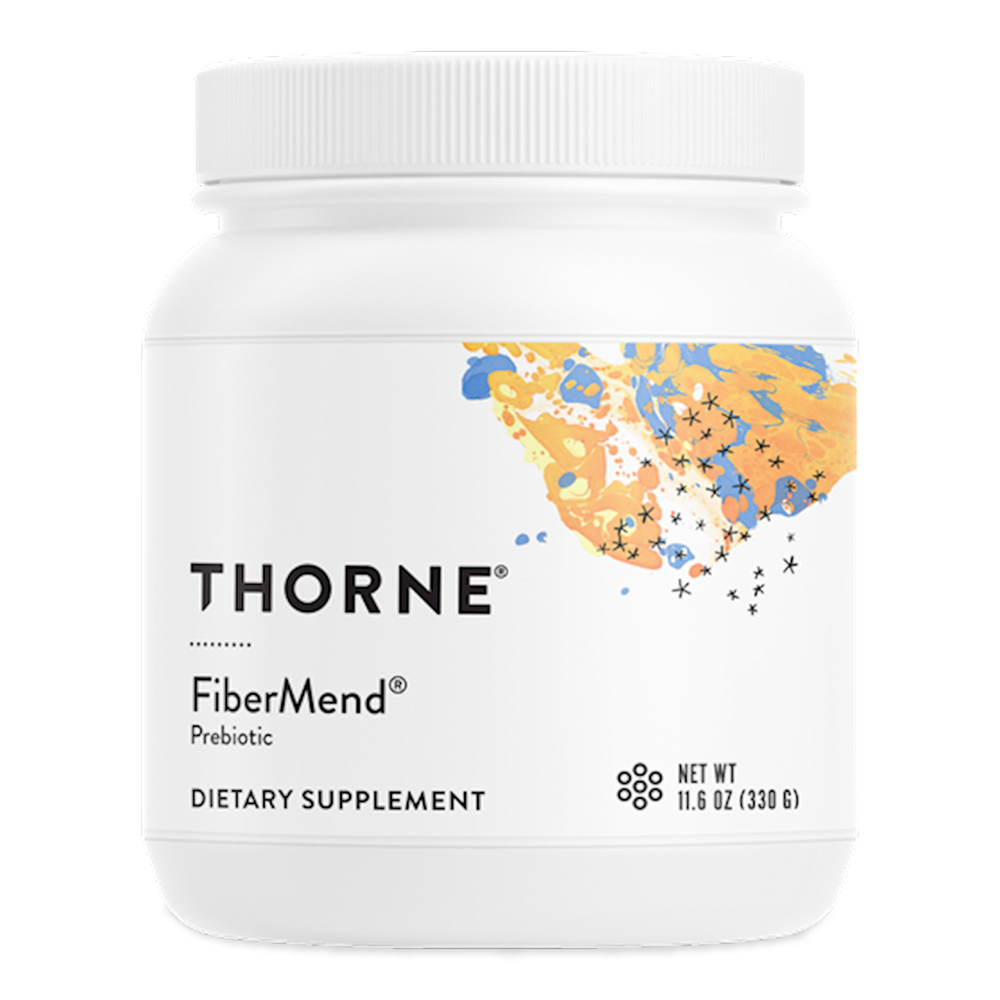
Whole food fiber should anchor your intake, yet supplemental fiber can help with appetite control, regularity, and blood sugar management. Start low, go slow, and match the product to your tolerance.
Popular Options and Use
- Psyllium huskfor fullness. Take two to five grams in water 15 minutes before meals.
- Partially hydrolyzed guar gum (PHGG)for gentle digestion. Mix five grams into coffee or tea once daily, then increase as tolerated.
- Acacia fiberfor sensitive stomachs. Start with two grams and work up slowly.
- Inulinfor prebiotic benefits. Introduce one to two grams at a time to avoid gas.
If You Use Supplements
- Start with two to three grams per day.
- Increase slowly to ten to twelve grams per day.
- Drink extra water.
- Separate from medications and iron or thyroid supplements by two hours.
- Follow guidance from your MediFit Weight Loss clinician.
8) Build Fiber-Rich Plates the Easy Way
Use a simple plate formula to raise fiber without tracking every gram. Plan your plate before cooking to make choices easier.
The 40/40/20 Formula
- 40 percent vegetables with at least two types
- 40 percent protein and healthy fats
- 20 percent whole food carbohydrates
Examples
- Lunch:Big salad with spinach and arugula, chickpeas, grilled chicken, olive oil, and a side of berries.
- Dinner:Salmon, roasted Brussels sprouts and carrots, and a small scoop of quinoa.
This balance creates meals that are naturally high in fiber, modest in calories, and very filling.
9) Use Fiber to Prevent Evening Snacking
Evening cravings are often habit or fatigue rather than true hunger. A fiber-rich dinner reduces the drive to snack later and helps you close the kitchen on time.
Dinner Add-Ons to Increase Fullness
- Lentils or chickpeas, one-half cup
- Farro or barley, one half cup
- Kale or Brussels sprouts, one cup
- Roasted mixed vegetables, one to two cups
Pair dinner with herbal tea or warm water to signal that eating is done for the day. If you want something sweet, try a baked apple with cinnamon for an extra four grams of fiber.
10) Make Breakfast the Fiber-Led Meal
Breakfast sets your metabolic tone. Front-load fiber so morning hunger stays quiet and mid-morning snacking fades.
Simple Swaps
- Sugary cereal → high fiber oats
- Toast → chia pudding
- Muffins → yogurt with berries and flaxseed
- Smoothies → add psyllium or leafy greens
Aim for ten grams of fiber at breakfast to stay full until lunch.
Sample High Fiber Day (30 to 35 Grams)
- Breakfast:Oats with chia seeds, berries, and Greek yogurt
- Lunch:Salad with chickpeas, cucumbers, peppers, spinach, and olive oil
- Snack:Apple with two tablespoons of nuts
- Dinner:Salmon with roasted Brussels sprouts and quinoa
- Evening:Herbal tea with lemon.
Start Your Fiber Forward Plan With MediFit Weight Loss
Learn how MediFit Weight Loss builds a fiber-forward plan that curbs hunger, steadies blood sugar, and supports safe fat loss.

