Why Am I Not Losing Weight on GLP-1? A San Diego Medical Weight Loss Guide
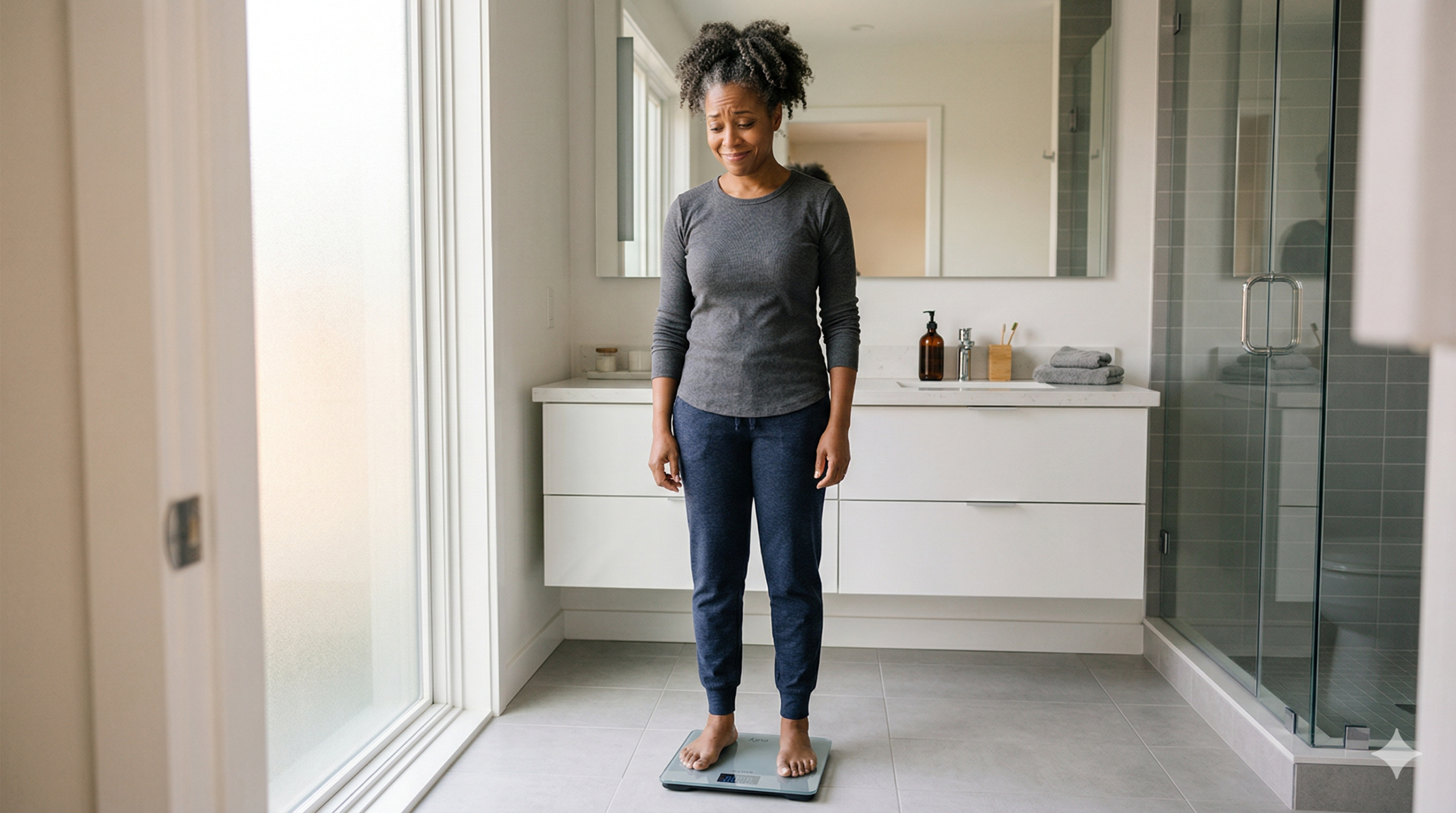
You started semaglutide or tirzepatide with high hopes. The first few weeks were promising—appetite down, scale moving. But now? Nothing. The number won’t budge, and you’re wondering: Why am I not losing weight on GLP-1? If you’re in San Diego and not losing weight on GLP-1, you are not alone.
You’re not alone. At MediFit Weight Loss in San Diego, we hear this question weekly from patients who expected medication to be the magic bullet. The truth is more nuanced—and more fixable—than you might think.
Why GLP-1 Weight Loss Stalls (And What to Do About It)
GLP-1 medications like Ozempic, Wegovy, Mounjaro, and Zepbound work by mimicking a hormone that regulates appetite and blood sugar. They’re powerful tools, but they’re not standalone solutions. Here’s why your progress may have stalled:
1. Metabolic Adaptation Is Real
Your body is designed to defend its weight. When you lose pounds quickly—common in early GLP-1 use—your metabolism adjusts. You burn fewer calories at rest, making continued weight loss harder without strategic changes.
The fix: Periodic reassessment of caloric needs, protein targets, and movement patterns. This is why medically guided GLP-1 programs outperform DIY approaches.
2. Muscle Loss Is Sabotaging You
GLP-1s suppress appetite. If you’re not eating enough protein and not strength training, you lose muscle along with fat. Less muscle means a slower metabolism—and a higher chance of regaining weight.
The fix: Prioritize protein (0.7-1g per pound of goal body weight) and resistance training 2-3x weekly. Our muscle-preservation protocol helps San Diego patients maintain lean mass while losing fat.

3. You’re Eating the Wrong Foods
GLP-1s make you feel full, but they don’t teach you what to eat. Many patients fill up on low-nutrient, high-calorie foods that stall progress despite smaller portions.
The fix: Focus on fiber-rich vegetables, lean proteins, and healthy fats. Our fiber playbook shows how the right foods keep you satisfied while supporting weight loss.
4. Stress and Sleep Are Working Against You
Poor sleep and chronic stress elevate cortisol, which promotes fat storage—especially around the midsection. GLP-1s can’t override hormonal chaos.
The fix: Target 7-9 hours of quality sleep and implement stress-management practices. Even small improvements here can restart progress.
5. Your Dose or Medication Needs Adjustment
Not all GLP-1s work the same for everyone. Some patients plateau on semaglutide but respond better to tirzepatide. Others need dose optimization or combination approaches.
The fix: Work with a medical weight loss provider who can adjust your protocol based on your response, not a one-size-fits-all algorithm.
The MediFit Difference: Beyond the Prescription
At MediFit Weight Loss in San Diego, we don’t just prescribe GLP-1 medications—we teach your body and brain how to keep the weight off. Our 12-week holistic program addresses the four pillars of sustainable transformation:
- Mind: Behavioral coaching for emotional eating, stress cycles, and mindset shifts
- Nutrition: Personalized meal planning optimized for GLP-1 success
- Movement: Progressive exercise programming that preserves muscle and boosts metabolism
- Medical Guidance: Ongoing medication management, dose optimization, and metabolic monitoring
When to Seek Help for Your GLP-1 Plateau
If you’ve been stalled for more than 3-4 weeks despite taking your medication as prescribed, it’s time to reassess. Common signs you need professional support:
- Scale hasn’t moved in a month or more
- You’re losing muscle, not fat (clothes fit differently but weight is stable)
- Constant fatigue or brain fog
- Digestive issues that won’t resolve
- Feeling overwhelmed about what to eat or how to exercise
Break Through Your Plateau: Schedule a Consultation
Don’t let a GLP-1 plateau derail your health goals. At MediFit, we specialize in helping San Diego women over 40 navigate GLP-1 weight loss during perimenopause and beyond. Our medically guided approach combines the right medication, nutrition strategy, and lifestyle support to get you unstuck.
Ready to restart your progress? Schedule your free consultation and discover why MediFit patients achieve lasting results.
Frequently Asked Questions
How long does a GLP-1 weight loss plateau last?
Plateaus can last weeks to months without intervention. Most patients see renewed progress within 2-4 weeks of adjusting nutrition, exercise, or medication under medical supervision.
Can I break a plateau without increasing my GLP-1 dose?
Often yes. Strategic changes to protein intake, strength training, sleep, and stress management can restart weight loss without dose increases.
Is it normal to stop losing weight on semaglutide?
Early plateaus are common as your body adapts. However, prolonged stalls usually indicate that your approach needs adjustment—not that the medication has stopped working.
What’s the best GLP-1 for weight loss in California?
The ‘best’ medication varies by individual. Some patients respond better to tirzepatide (Mounjaro/Zepbound) than semaglutide, while others do well on compounded options. A medical consultation helps determine the right fit.
MediFit Weight Loss provides medically guided, holistic weight management in San Diego, California. Our 12-week program combines GLP-1 medications, personalized nutrition, movement coaching, and behavioral support for sustainable results.

